Introduction
The gaming industry has experienced remarkable changes over the past few decades. What once depended on simple graphics, basic controls, and limited processing power has developed into an advanced digital environment filled with realistic visuals, intelligent characters, interactive worlds, and online communities. Modern games are no longer just applications designed for entertainment. They combine software engineering, artificial intelligence, cloud computing, network technology, digital design, and powerful hardware to create experiences that continue to evolve.
Game technology is responsible for making these experiences faster, more engaging, and more accessible. Developers now have access to tools that allow them to create detailed environments, build responsive characters, and introduce features that were difficult to achieve in earlier generations. At the same time, improvements in smartphones, computers, gaming consoles, and internet infrastructure have changed how people access and enjoy digital entertainment.
Understanding these developments helps explain why gaming has become such an important part of modern technology.
The Evolution of Modern Gaming Technology
Early video games were designed around relatively simple programming and limited hardware capabilities. Their environments contained basic shapes, repetitive movements, and straightforward objectives. Although these games offered enjoyable experiences, developers had to work within strict technical limitations.
As computer processors and graphics systems became more powerful, game development entered a new phase. Developers gained the ability to create three-dimensional environments, realistic character movements, advanced sound effects, and larger interactive worlds. These improvements helped transform gaming from a simple digital activity into a sophisticated form of entertainment.
Today, modern game engines combine several technologies into a single development environment. They provide tools for creating objects, managing physics, designing lighting, controlling animations, and building interactive systems. Instead of developing every technical feature from the beginning, creators can use established engines to make their projects more efficient.
The continued evolution of hardware and software means that gaming experiences can become more detailed without necessarily requiring players to understand the complicated systems operating behind the screen.
See also: How Neural Networks Work in Artificial Intelligence
Artificial Intelligence in Game Development
Artificial intelligence has become one of the most influential technologies in modern gaming. It allows developers to create characters and environments that respond to player actions instead of following only predictable instructions.
In traditional games, computer-controlled characters often followed fixed movement patterns. Their behavior was limited because they could react only to a small number of predefined situations. Modern artificial intelligence can support more flexible character behavior, allowing digital characters to respond differently depending on their surroundings.
AI systems can also help developers improve environmental details, automate repetitive production tasks, and test game features. For example, automated testing tools can identify technical problems by repeating actions under different conditions. This saves development time and helps teams discover issues before a game becomes available to players.
Another growing application is procedural content generation. This approach uses algorithms to create certain elements of a game automatically. It can help produce landscapes, maps, objects, and other environmental details. Developers still guide the creative direction, but automated systems can make it easier to build large and varied digital worlds.
Advanced Graphics and Realistic Visual Environments
Graphics technology plays an important role in shaping how players experience a game. Modern visual systems can display detailed textures, natural lighting, realistic shadows, reflections, and complex environmental effects.
One important development is real-time rendering. This process allows a computer or console to generate images continuously while a game is running. Powerful graphics processing units handle complicated calculations to display the environment smoothly.
Ray tracing is another technology that has improved visual quality in supported games. It simulates how light interacts with different surfaces, helping produce realistic reflections, shadows, and illumination. Although this process can require significant computing power, newer graphics hardware is making it increasingly practical.
Developers also use advanced animation systems to make characters move more naturally. Motion capture can record the movements of real performers and translate them into digital animations. Combined with modern animation software, this technology helps create convincing movements and expressive characters.
Visual quality is not only about making a game look attractive. Clear environments, readable interfaces, and consistent visual design also help players understand what is happening during gameplay.
Cloud Computing and Online Gaming
Cloud computing has introduced new possibilities for distributing and operating digital games. Traditionally, players needed suitable local hardware to process most of a game’s visual and computational requirements. Cloud-based systems can move some of this processing to remote servers.
In cloud gaming, a game runs on a powerful remote computer, while the player’s device receives a video stream and sends control inputs back to the server. This approach can make certain high-performance experiences accessible through devices that might not otherwise support them.
However, the quality of cloud gaming depends heavily on internet connectivity. Network speed, latency, server distance, and connection stability all influence responsiveness. A delay between pressing a button and seeing the result can make an experience frustrating, especially in fast-moving games.
Online multiplayer environments also depend on reliable server infrastructure. Servers coordinate player activity, manage shared environments, and help maintain consistent game states. Developers must consider security, performance, and server capacity when supporting large communities.
As internet infrastructure improves, cloud computing may become an even more important part of how digital entertainment is delivered.
Mobile Gaming and Smartphone Innovation
Smartphones have expanded access to gaming by placing powerful computing devices in people’s hands. Modern mobile devices include advanced processors, dedicated graphics capabilities, high-resolution displays, and sophisticated sensors.
These improvements allow developers to create mobile experiences with detailed graphics and complex systems. Touchscreens provide direct interaction, while motion sensors can support additional control methods. Some devices also include high refresh-rate displays, which can make animations appear smoother.
Battery efficiency is another important consideration. High-performance games can place heavy demands on mobile hardware, so developers must balance visual quality with power consumption. Optimization techniques help applications run more efficiently without sacrificing too much performance.
Mobile gaming also benefits from improvements in storage technology. Faster storage can reduce loading times and help games manage large collections of visual and audio assets.
As smartphones continue to improve, the difference between mobile and traditional gaming experiences may become less noticeable in certain categories.
Virtual Reality and Augmented Reality
Virtual reality and augmented reality are changing the relationship between players and digital environments.
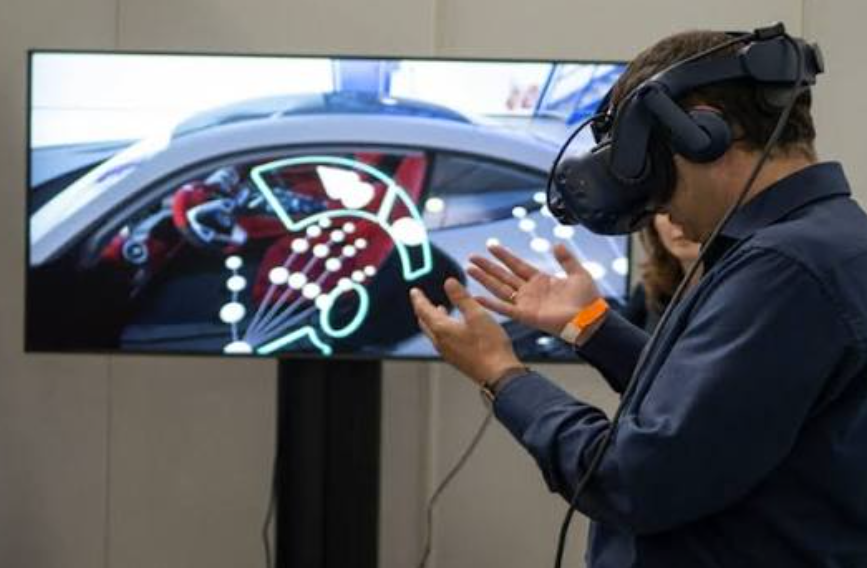
Virtual reality uses specialized headsets and motion-tracking systems to create an immersive digital space. Instead of viewing a game through a conventional screen, users can look around and interact with a simulated environment. Controllers and tracking sensors help translate physical movements into digital actions.
Augmented reality takes a different approach. It places digital elements over a view of the real world, usually through a smartphone, tablet, or compatible headset. This can create interactive experiences that combine physical surroundings with computer-generated objects.
Both technologies require careful design. Developers must consider movement, comfort, visual clarity, and hardware limitations. A well-designed experience should feel responsive without overwhelming the user.
Although these technologies are still developing, they demonstrate how gaming can move beyond traditional screen-based interaction.
Sound Design and Interactive Audio
Audio is another essential part of modern game technology. Background music, environmental sounds, character voices, and directional effects help create atmosphere and provide useful information.
Modern audio engines can adjust sounds according to the player’s position and surroundings. For example, a sound may become quieter as a character moves farther away or change depending on whether an object is inside or outside a building.
Spatial audio can also help players understand the direction of important sounds. This makes the environment feel more realistic and can improve awareness during gameplay.
Developers often use layered audio systems to combine music, environmental effects, and character sounds without creating unnecessary noise. These systems must be carefully balanced so that important information remains clear.
Cybersecurity and Player Data Protection
As games become more connected, protecting player accounts and personal information becomes increasingly important. Online gaming platforms may process account details, communication records, purchase information, and other user data.
Developers and platform providers must use appropriate security measures to protect these systems. Encryption helps safeguard information during transmission, while authentication tools help verify account ownership.
Additional measures can include suspicious login detection, account recovery procedures, secure payment processing, and regular software updates. These protections reduce the risk of unauthorized access and help maintain trust between players and service providers.
Players also have a role in protecting their accounts. Using strong passwords, enabling additional authentication where available, and avoiding unfamiliar links can improve personal security.
A secure digital environment is essential for maintaining healthy online communities.
The Importance of User Interface Design
A game’s user interface connects the player with its underlying systems. Menus, settings, maps, notifications, progress indicators, and control layouts all influence how easily someone can understand and use a game.
Good interface design should be clear, consistent, and easy to navigate. Important information needs to remain visible without covering too much of the screen. Developers must also consider different display sizes and input methods.
Accessibility is an important part of this process. Options such as adjustable text sizes, subtitles, customizable controls, color settings, and alternative input methods can make games easier to use for a wider audience.
Testing interfaces with different types of players helps development teams identify confusing elements and improve usability.
The Role of Digital Platforms and Online Resources
The modern gaming ecosystem includes much more than game applications. It also involves developer communities, technology publications, independent websites, hardware resources, creative portfolios, and online learning platforms.
These websites help people discover information, explore specialized interests, and understand developments across different industries. For example, https://petermartinknives.com/ represents a specialized website outside the gaming category, illustrating how the internet supports distinct online communities and areas of interest.
For gaming developers, maintaining a clear digital presence can be valuable. Official websites provide opportunities to share project information, publish updates, introduce development teams, and communicate with audiences. A well-organized website can also help users locate support information and learn about new releases.
Digital platforms therefore contribute to the broader technology environment in which modern gaming operates.
Future Trends in Game Technology
The future of gaming will likely involve further improvements in artificial intelligence, graphics processing, networking, and interactive hardware.
AI-assisted development tools may help creators produce animations, test software, and organize complex projects more efficiently. However, human creativity and technical judgment will remain important for building meaningful experiences.
Graphics systems are also expected to become more efficient. Better rendering techniques and hardware optimization may allow developers to create detailed environments while maintaining smooth performance.
Cloud infrastructure could support more flexible access to games across different devices. Improvements in network technology may reduce delays and make remote processing more practical for a wider audience.
Virtual reality and augmented reality may also develop through more comfortable headsets, better motion tracking, and improved interaction methods. These improvements could introduce new forms of digital entertainment and interactive storytelling.
Conclusion
Game technology combines many areas of modern computing to create interactive and engaging digital experiences. Artificial intelligence, advanced graphics, cloud computing, mobile hardware, immersive displays, audio engineering, and cybersecurity all contribute to the development of today’s gaming industry.
These technologies continue to influence how games are designed, distributed, and experienced. They also create opportunities for developers to experiment with new ideas and build more accessible digital environments.
As hardware becomes more capable and software development tools continue to improve, gaming will remain an important area of technological innovation. Its future will depend not only on more powerful machines but also on thoughtful design, reliable infrastructure, creativity, and responsible use of technology.
